In an age dominated by AI, work will not disappear, but its meaning will change. The biggest shift will not be from human labour to machine labour. It will be from execution to judgment. AI can produce, process, summarize, recommend, and optimize at a speed that humans cannot match. But work is not only about producing outputs. It is also about interpreting situations, making choices, taking responsibility, and creating meaning.
When AI enters the workplace, routine tasks will become easier and faster. Reports, drafts, designs, analyses, and decisions will be generated with less effort. This may look like progress, but there is also a risk. If every difficulty is removed, people may stop practicing judgment. If every recommendation comes from a system, workers may become passive operators rather than active thinkers.
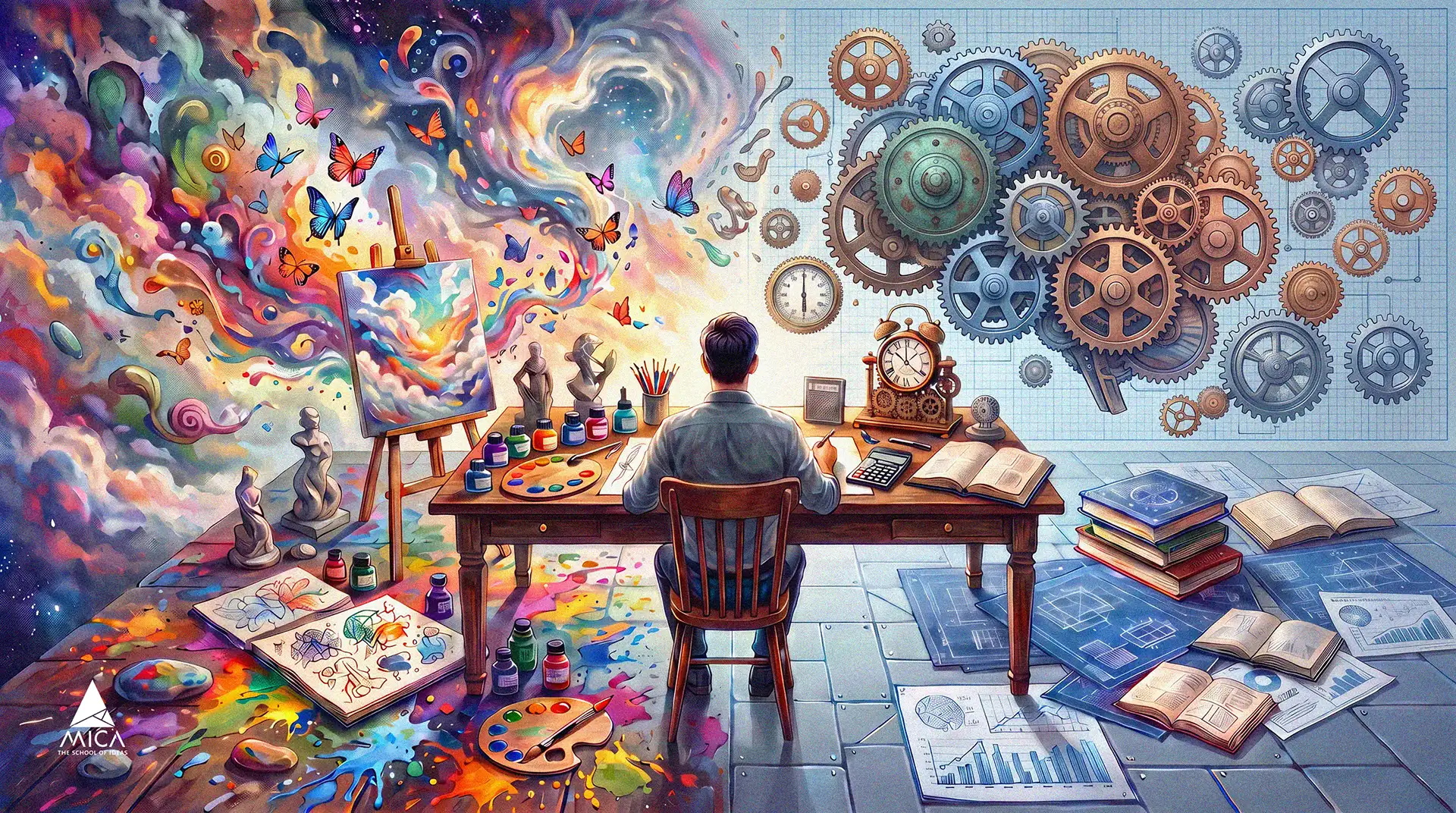
The future of work will therefore depend on preserving the right kind of human friction. Some friction is wasteful and should be removed. But some friction is necessary because it forces people to question, reflect, disagree, imagine, and care. Creativity, ethical judgment, empathy, and cultural understanding emerge from this space of uncertainty.
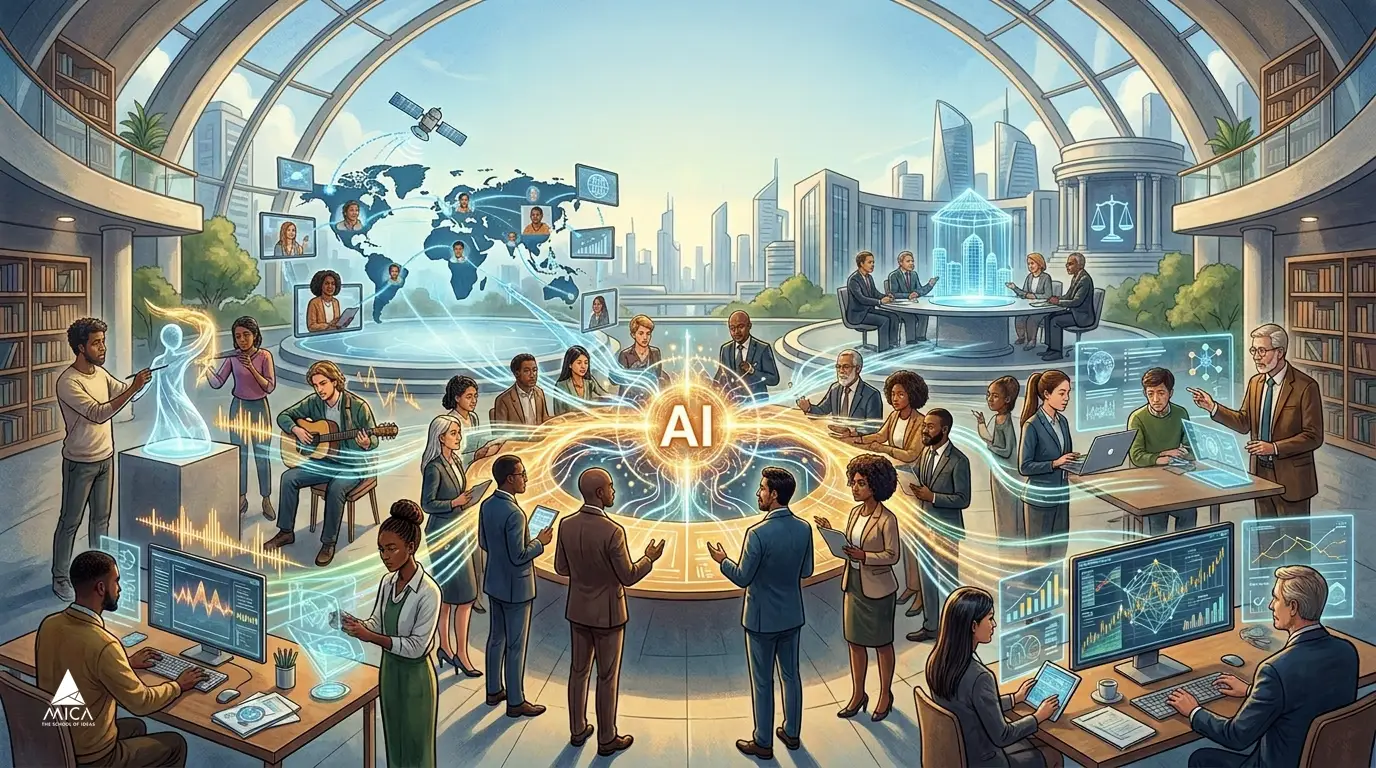
AI can democratize work by lowering barriers to knowledge, tools, and expression. But democratization will not happen automatically. Without human accountability, AI may amplify sameness, bias, and existing inequalities. The real challenge, therefore, is not whether AI can do human work. The deeper question is what kinds of human capacities must be protected, practiced, and strengthened. Work in the AI age must keep humans responsible for meaning, trust, and purpose.